Get email alerts for new off-market deals — curated drops, no spam.Get deal alerts via email
OffMarket Deck · Updated 2026-08-02
Off-market deals in Texas are not a loophole — they are a structural advantage in a state where population growth, investor competition, and seller privacy create a constant flow of unlisted properties. In this guide, you will learn how to find these deals, stay inside Texas law, and underwrite them like a local.
Texas adds more residents than almost any other state. That demand keeps retail inventory tight, which pushes motivated sellers and investors toward channels that never hit the MLS. The result is a parallel market of pocket listings, pre-foreclosures, probates, and direct-to-seller acquisitions.
The U.S. Census Bureau tracks Texas as the fastest-growing large state in the country. More people means more housing demand, more property transfers, and more reasons a seller may want a quiet, off-market sale. For investors, that flow is the pipeline.
Major employers continue to expand in Austin, Dallas, Houston, and San Antonio. The job growth brings relocations, relocations create mismatched housing needs, and mismatched needs create motivated sellers. Investors who understand neighborhood-level dynamics can spot the next pocket of opportunity before it reaches the MLS.
MLS listings are public, scheduled, and emotionally draining for some owners. Off-market sellers often want speed, privacy, or a cash certainty that a 30-day retail closing cannot guarantee. Distress, relocation, inheritance, and tired landlords all feed the off-market channel.
| Market | Why it works for off-market | Typical deal type |
|---|---|---|
| Houston | Massive metro, diverse neighborhoods, strong landlord activity | Pre-foreclosure and wholesaling |
| Dallas-Fort Worth | Job growth, inbound migration, active investor groups | Distressed rentals and fix-and-flip |
| Austin | Tight inventory, high home prices, tech relocations | Creative finance and subject-to |
| San Antonio | Affordable entry point, steady cash flow, military turnover | Buy-and-hold and BRRRR |
| El Paso | Lower competition, cross-border dynamics, consistent demand | Long-term rentals and owner financing |
This table is based on common investor observations across Texas markets, not a single published ranking.
Texas does not hibernate. Investors are active year-round, but late winter and early spring often bring the most inventory from landlords who do not want to carry another vacancy season. Summer moves create motivated retail sellers, while tax-delinquent lists and pre-foreclosure filings spike in the fourth quarter. A serious off-market buyer keeps marketing active for at least twelve months so no seasonal window is missed.
Texas is often compared to Florida, Arizona, and Georgia when investors rank landlord-friendly states. Each has strengths, but Texas stands out for scale, economic diversity, and relatively straightforward foreclosure timelines.
| Factor | Texas | Florida | Arizona |
|---|---|---|---|
| Foreclosure process | Non-judicial, faster timeline | Judicial, often slower | Non-judicial, trustee sale |
| Property taxes | Higher effective rate, no income tax offset | Moderate, Homestead cap | Relatively low, Prop 117 cap |
| Population growth trend | Strong long-term inbound migration | Strong, but cyclical coastal risk | Phoenix and Tucson growth |
| Investor competition | High in major metros, room in secondary markets | Very high in tourist and coastal metros | High in Phoenix, lower in rural areas |
This comparison is based on commonly reported investor rules of thumb, not a single legal survey. Always verify current statutes with a local attorney before you invest in a new state.
Before you hunt, you need a clear definition. An off-market deal is any property transaction that is not publicly listed on the MLS or a major portal. The seller may still have a real estate agent, but the property is not marketed to the broad retail audience.
A pocket listing is held by a licensed agent but not entered into the MLS. In Texas, agents must follow MLS rules and seller disclosure requirements, so these arrangements are legal but controlled. Building relationships with investor-friendly agents is the fastest way to see them.
Texas has a non-judicial foreclosure process, which means a notice of default or trustee sale can move quickly. Pre-foreclosure lists, tax-delinquent records, and code-violation databases are public or purchasable and are classic off-market sources.
When an owner dies without a clear plan, the property often enters probate. Heirs may want cash fast rather than a six-month retail sale. These deals require patience with courts and heirs, but they can be the best margins in the business.
Cold calling, direct mail, bandit signs, and driving for dollars all target sellers before they call a retail agent. The goal is to create the lead yourself, not wait for it to appear on a portal.
Finding off-market deals in Texas is a contact sport. No single channel wins every month. The best investors stack at least three lead sources and track cost per deal.
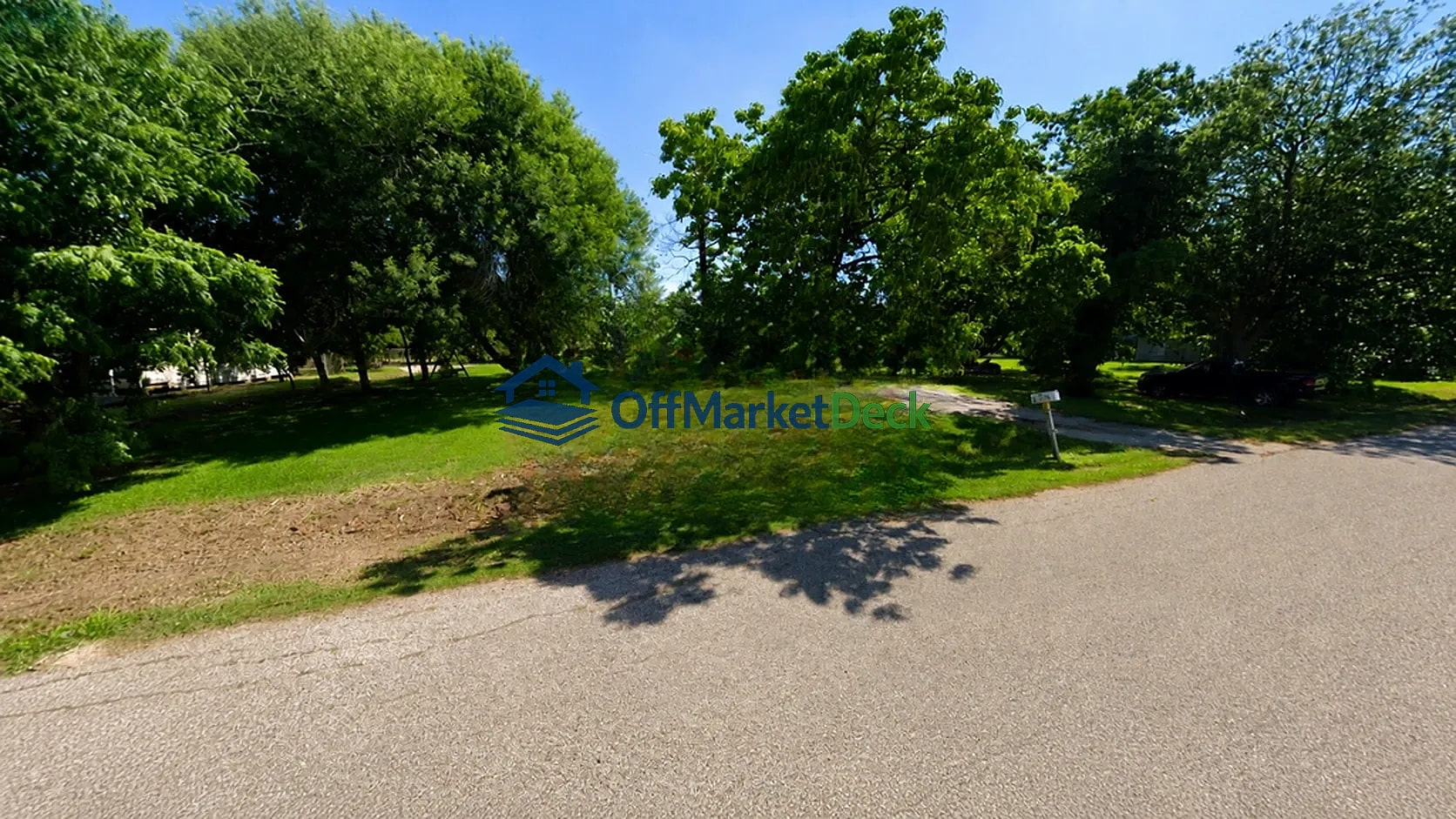
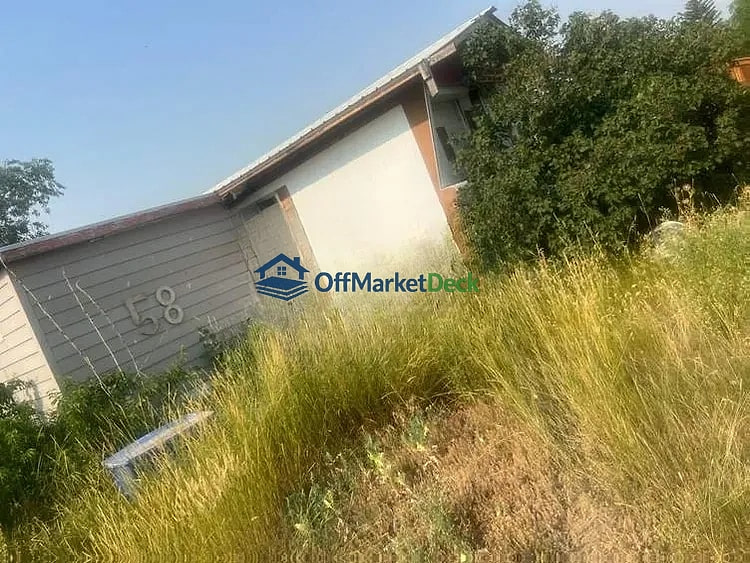
Drive target neighborhoods and look for distressed signals: tall grass, boarded windows, piled-up mail, expired permits, or FSBO signs. Record the address, then skip-trace the owner and mail or call. The cost is low, but the time commitment is high.
Probate, divorce, eviction, tax delinquency, and absentee-owner lists can be filtered by county. A simple postcard or letter offering a fast, cash, as-is close will generate calls. Expect response rates of 0.5 to 2 percent depending on the list quality.
Every Texas county has a probate clerk. Some publish probate filings online; others require in-person visits or paid services. Build a relationship with the clerk or subscribe to a local probate data service.
Cities like Houston, Dallas, and San Antonio publish code-violation and delinquent-tax data. An owner who cannot afford repairs or taxes is often motivated to sell before the city or county takes action.
Local REIAs, wholesaler meetups, and title-company networking events are where deals change hands before they are advertised. A strong reputation in these rooms means you hear about deals before they are emailed to a buyer list.
A curated deal feed can shortcut months of list building. OffMarket Deck publishes off-market properties across Texas and other states, so you can review vetted deals instead of building every lead from scratch.
If you want to scale direct mail or cold calling, you can buy lists from data providers. Filter by absentee owners, tax delinquency, foreclosure status, probate, high equity, or free-and-clear ownership. The best lists are updated monthly and include phone numbers, emails, and mailing addresses. A stale list is expensive garbage; verify a sample before you commit.
Months one and two should be focused on learning one city and building three lead channels. Pick one list-based channel like direct mail, one field channel like driving for dollars, and one relationship channel like a local REIA. Track cost per lead and cost per appointment, not just response rate.
Month three is about conversion. Review every lead that did not become a deal and ask why. Usually the answer is one of three things: the seller was not actually motivated, the offer was too low, or the follow-up stopped too early. Fix the weakest stage before you add a fourth channel.
Texas is investor-friendly, but it is not the Wild West. The Texas Real Estate Commission regulates licensing, advertising, and disclosure under the Texas Real Estate License Act. Misclassifying yourself can turn a good deal into a legal problem.
If you market property you do not own for a fee, you are likely acting as a broker. Wholesalers and bird dogs walk a thin line. TREC requires a license for anyone who performs brokerage acts for compensation. The safest path is to either get licensed, close on the property, or use an attorney-negotiated assignment contract.
Wholesaling is legal in Texas if you have a valid equitable interest or are selling your own contractual rights. Do not advertise the property itself. Advertise the assignment of your purchase contract. Always use a Texas-specific contract reviewed by a local real estate attorney.
Texas has strong consumer-protection laws. If you misrepresent the condition, value, or your role in a transaction, you can face DTPA liability. Disclose your intent, your relationship to the property, and any fees you will earn.
Use a Texas title company that handles investor transactions. They will run title, handle escrow, and issue a title policy. Never close a wholesale deal at a kitchen table. A title company's mistakes are cheaper than a lawsuit.
Texas contracts typically include an option period for a small fee, often $100 to $200, that gives the buyer the right to terminate for any reason. For wholesalers, this window is critical because it lets you market the contract while you finalize your buyer. If your buyer does not materialize, you terminate during the option period and lose only the option fee.
Underwriting is what separates investors from speculators. Here is a realistic maximum allowable offer (MAO) calculation for a single-family rental in Houston.
| Line item | Amount |
|---|---|
| ARV | $320,000 |
| 70% of ARV | $224,000 |
| Less repairs | -$35,000 |
| Less closing/holding | -$8,000 |
| Less desired profit | -$25,000 |
| Maximum allowable offer | $156,000 |
If you can get the property under contract for $156,000 or less, you have a deal that can be wholesaled for a $25,000 assignment or flipped for a similar margin. If your rehab estimate is wrong by $10,000, the margin drops to $15,000. Always get at least two contractor bids before you finalize.
Off-market deals often close faster than retail sales, so hard money or private money is common. Freddie Mac's Primary Mortgage Market Survey publishes weekly average mortgage rates, which helps you model buyer demand and refinance exit strategies for rental deals.
The same off-market deal can support two different math problems. If you flip, your profit is the spread minus rehab and sale costs. If you hold, your profit is cash flow plus appreciation minus acquisition and refinance costs. In Texas, many investors choose to hold in San Antonio and El Paso for cash flow, while flipping in Austin and Dallas where price appreciation is more aggressive. Match the exit strategy to the neighborhood, not your personal preference.
For a buy-and-hold exit, your monthly rent must cover the mortgage, taxes, insurance, vacancy, maintenance, and property management. Property taxes in Texas are higher than in many states, so new investors often underestimate the monthly burden. A simple rule is the 50 percent rule: expect half of your gross rent to go to operating expenses over time.
| Monthly item | Example amount |
|---|---|
| Gross rent | $2,000 |
| Mortgage, insurance, taxes | -$1,100 |
| Vacancy and maintenance reserve | -$200 |
| Property management | -$160 |
| Net cash flow | $540 |
A great deal without a buyer is just a bad deal. Your cash buyers list is your insurance policy.
Attend local REIAs, search county records for cash buyers, partner with title companies, and use public building-permit data. Every cash purchase leaves a paper trail. The investors who repeat are the ones you want on your list.
Do not blast every deal to everyone. Segment your list by price range, market, and deal type. When you send a deal, include photos, repair estimates, ARV support, and a clear contract assignment. A buyers list is built one honest deal at a time.
Even experienced investors make these mistakes when they move into Texas off-market sourcing.
Liens, tax delinquencies, and heir disputes are common on distressed properties. A title search is non-negotiable before you assign a contract.
Texas heat, foundation issues, and older HVAC systems can turn a $15,000 estimate into $35,000. Use a local contractor and add a contingency.
Houston, Dallas, Austin, and San Antonio have different investor rules around short-term rentals, demolition, and code enforcement. Know the city before you market the deal.
Assigning your contract is legal. Advertising a property you do not own is not. If you are unsure, consult a Texas real estate attorney or get licensed.
A wholesaler's assignment fee is only a good deal if the end buyer still makes money. If you charge $20,000 on a deal with thin margins, your buyer will remember. A thin assignment fee on a repeatable deal is worth more than a fat fee on a dead buyer.
Yes. Buying directly from a seller or assigning a purchase contract is legal. Marketing property you do not own for a fee can require a real estate license under TREC rules.
You do not need a license to buy and sell your own property or assign your own contract. If you are acting as a matchmaker for compensation, TREC may consider that brokerage.
Houston and Dallas-Fort Worth have the most volume because of their size. San Antonio and El Paso offer lower competition. Austin has higher prices but strong creative-finance opportunities.
Look at comparable sales within the last 90 days, within one mile, and with similar bed/bath/square footage. Use the same condition after repair. Never use active listings as your only comp.
Yes. Many off-market deals close directly between buyer and seller using a title company and attorney-reviewed contract. The title company handles the closing and records the deed.
Driving for dollars, direct mail, probate records, tax-delinquent lists, code violations, and local investor networking are the most common channels. Most investors use at least three.
Texas offers real estate investors a rare combination of growth, landlord demand, and off-market inventory. The investors who win here are not luckier — they are more consistent. They stack lead sources, follow state law, and underwrite every deal with discipline.
If you want to skip the months of list building and see current off-market opportunities in Texas, browse the OffMarket Deck deal feed. You can filter by market, price, and deal type to find properties that match your strategy.
Active off-market real estate deals across the US.