Get email alerts for new off-market deals — curated drops, no spam.Get deal alerts via email
OffMarket Deck · Updated 2026-04-22
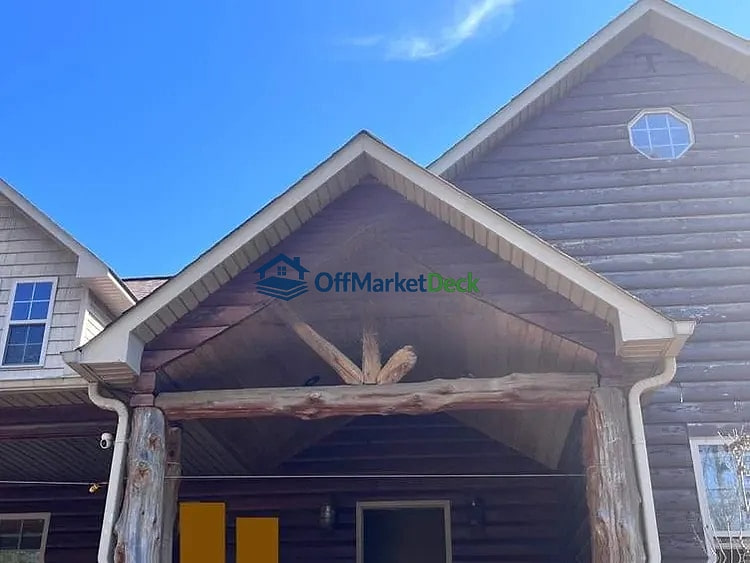
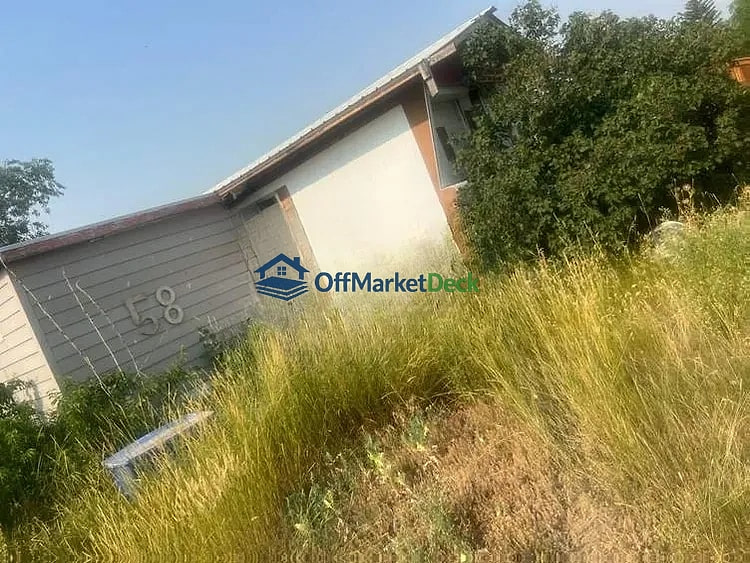
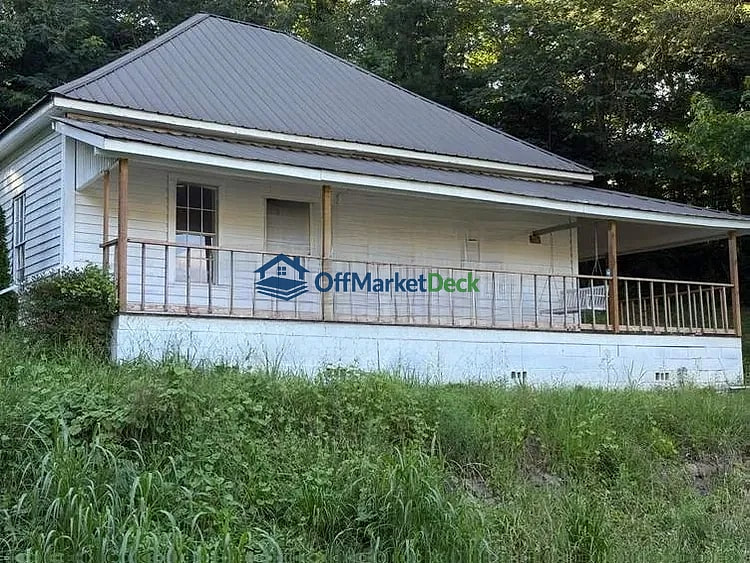
A distressed property is a home or lot showing physical deterioration, financial pressure, or owner hardship that may create a motivated sale situation. Distress signals include deferred maintenance, tax delinquency, code violations, or life events like inheritance or divorce. Not every distressed property is a deal — the key is matching the condition to a realistic exit strategy and purchase price.
If you are learning how to find distressed properties, you are really learning to source situations where something about the property or the owner creates pressure: physical condition, liens, life events, or operational fatigue. The skill is to turn a signal into a real conversation, then a contract, only after normal diligence — not to confuse a messy yard with a motivated seller.
This guide covers what "distressed" usually means, nine sourcing angles, how distress differs from "off market," how to read motivation vs. cosmetic damage, a short checklist, and (when you are ready) how to use a public inventory layer to triage in real markets.
Key takeaway
Physical: deferred maintenance, water or fire history, hoarding conditions, or structural red flags. Financial: delinquent taxes, liens, or carrying costs the owner cannot sustain. Life / operational: inheritance, divorce, out-of-state owners, or a tired landlord. "Distressed" describes condition or pressure — it is not a price guarantee.
A property can be heavily distressed and fully on the MLS — the listing might say "as-is" with photos that show the work. In that case, you are not hunting a "secret" off-market lead; you are competing in a public channel with clear (or clear-enough) information. The flip side: something can be off market (narrow distribution) with only moderate physical issues — the story is the seller, not a collapsed roof. For vocabulary, use what is an off market property and keep "distress" in the condition/motivation bucket.
Data can show stress (taxes behind, code cases, pre-foreclosure filings) without proving the seller will transact on your timeline. Real motivation often shows up as: willingness to let you inside, clear title path once you investigate, realistic price after repair, and responsiveness. The mistake is paying lead fees on "distressed" rows without a path to a signed agreement — treat every signal as the start of underwriting, not the end. Pair physical walk-throughs with ARV discipline and a 70% rule (or stricter) screen so you are ranking opportunities, not romanticizing them.
Imagine you are focused on Florida and want to see whether value-add and wholesale-leaning rows in Miami still fit a tight ARV band this month. A practical workflow: pull current listings with strategy and price filters, pass anything that fails a conservative comp in minutes, and only then drive or send boots for the five that survive. The same flow works in Houston for Texas-heavy rehabs — the point is fast kill / slow verify, not falling in love with a lead because the yard looks rough.
A public browse layer is useful for batch triage in real markets: filter by state, city, and strategy, then open rows that look like your buy box. It does not replace walking a distressed house or running title — it gives youcurrent inventory to sort against the same comp rules you use on mailer leads. If that fits your workflow, use the main search, then go deep offline on the short list.
Active off-market real estate deals across the US.