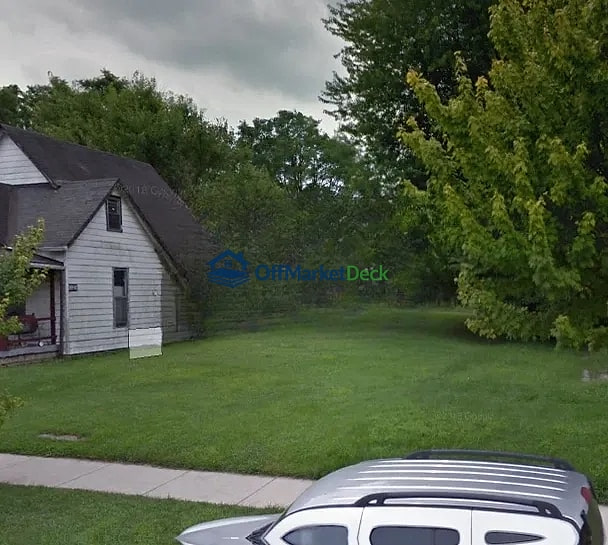
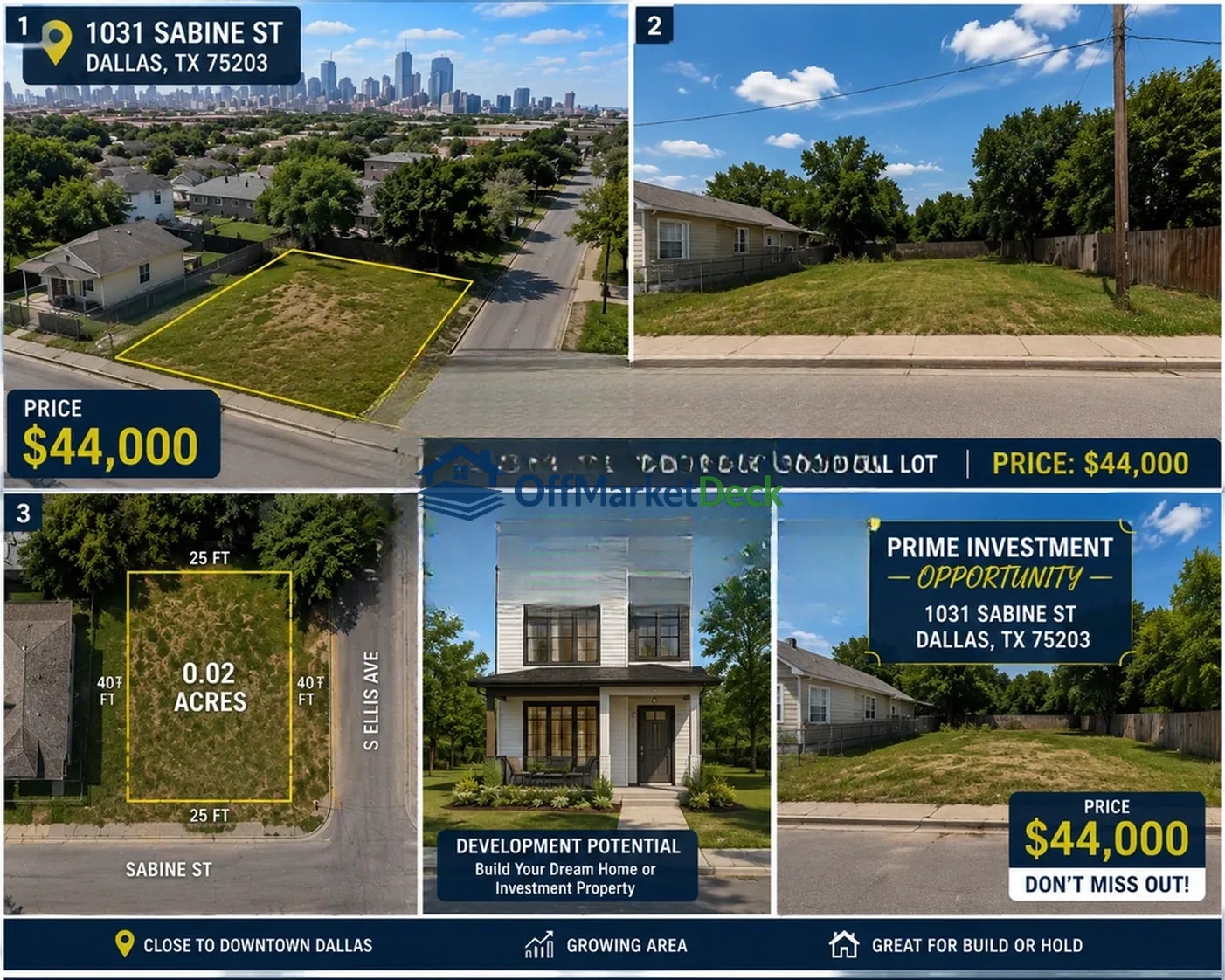
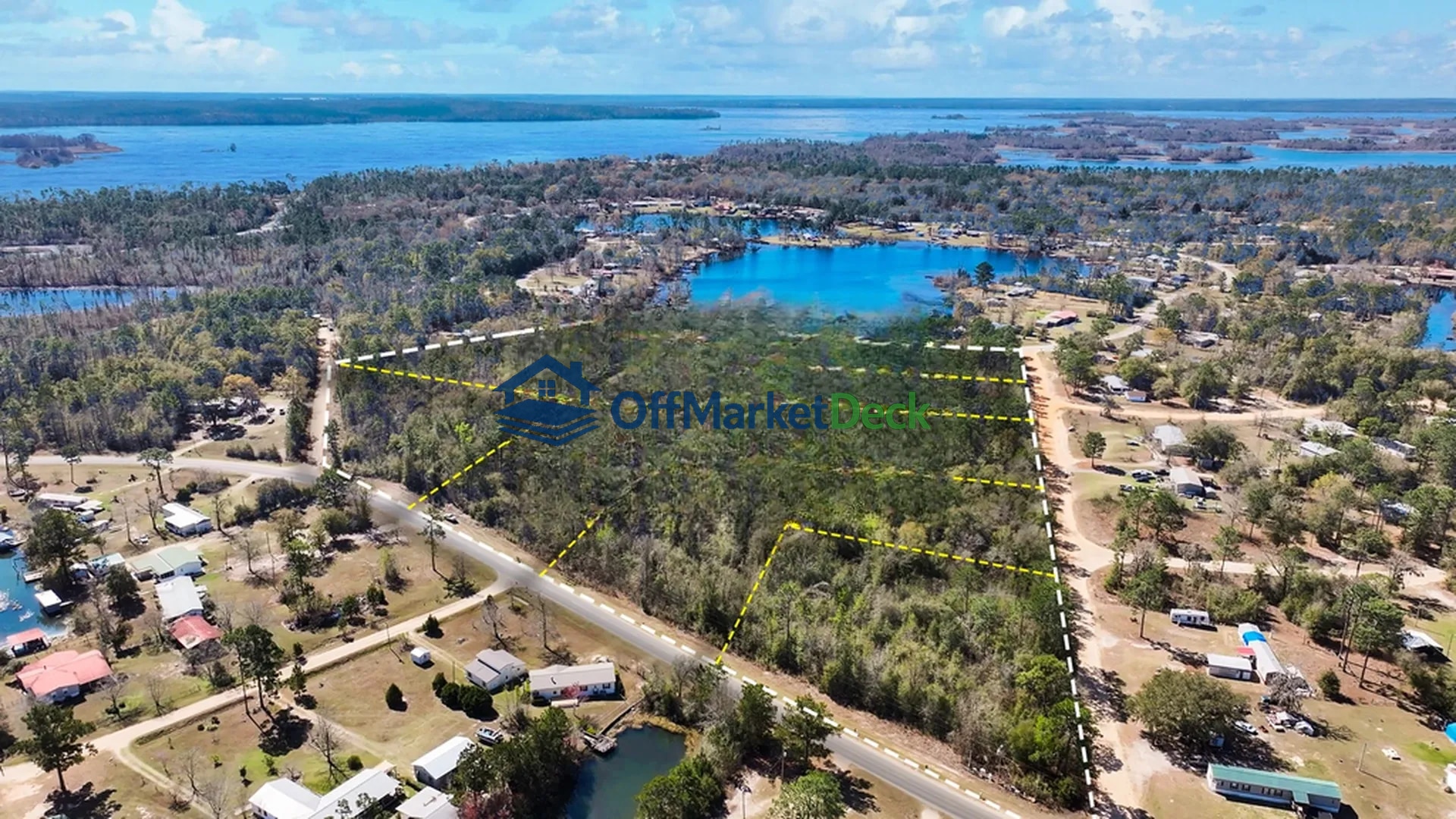
An off-market property is a real estate listing that is not actively marketed on the Multiple Listing Service (MLS). The seller may use narrower channels — direct outreach, investor networks, or specialized marketplaces — to find buyers before or instead of a broad retail push. The label describes marketing breadth, not a legal category or a price guarantee.
When you ask what is an off market property, you are usually trying to name a situation: a home or lot where the seller (or their agent) is not running a broad, retail-first MLS marketing plan — or is showing the deal to a smaller audience first. The phrase is colloquial, not a standard legal box you can look up in one statute; different people use it to mean slightly different things.
The useful question is not "what label did someone use?" but "who can see this offer right now, and what diligence do I still owe?" This page gives a clear definition, concrete examples, a side-by-side comparison with MLS and pocket listings, and mistakes buyers make before they wire money.
Key takeaway
Off market does not mean off the record. It means the seller is using a narrower marketing channel than the full MLS. Your due diligence — title, liens, condition, and comp verification — stays the same regardless of the label.
A plain-English definition
In investor conversations, an off market property is often a deal you can pursue before or outside the "listed everywhere with open houses" path. That can include seller-direct outreach, investor-only lists, pre-MLS conversations, some portfolio trades, and specialized marketplaces. The common thread is narrower distribution at the start — not zero risk, not automatic margin, and not an excuse to skip title.
Common examples (not an exhaustive legal list)
- Pre-MLS conversation. Seller talks to a few buyers or one investor before signing a full retail listing agreement.
- Investor-to-investor tape. A contract or lead circulates in a trusted network before it hits a broad consumer portal.
- "Call me first" landlords. A tired owner tells a property manager or local buyer to make an offer before they go retail.
- Marketplace or classified post without a parallel MLS campaign. The deal is public to that audience, but not equivalent to a full MLS syndication story — read the post and verify, same as any lead. On OffMarket Deck, listings include timestamps and strategy tags so you can triage with context.
Off market vs MLS vs pocket listing vs wholesale deal
These terms get conflated. Here is a practical split for how investors talk day to day:
- MLS retail listing. Broad exposure, standardized fields, agent compensation rules, and usually the widest pool of retail buyers. Not "better" or "worse" for investors — just a different bidding field and timeline.
- Off market (loose sense). Not depending on that broad MLS push as the first move. Could still become an MLS listing later; could stay private.
- Pocket listing (industry sense). Often means an agent holds a signed listing but markets only inside a network. Still has a contract and duties; not a free-for-all. Your obligations as a buyer do not disappear. See what is a pocket listing for a deeper split vs loose off-MLS language.
- Wholesale deal (exit type). Describes how the contract may move (assignment or double close), not where the seller first advertised. See wholesaling for beginners for workflow and compliance mindset.
For a dedicated comparison lens (investor tradeoffs—not just definitional trivia), open off market vs MLS.
What "off market" is not
- Not a promise of a discount. Ask can be above retail; your numbers still decide.
- Not a substitute for title work. Liens, easements, and boundary issues still belong on your due diligence checklist before you close.
- Not "wholesale only." End users, flippers, and funds all buy outside the MLS when the story and price work.
What buyers get wrong
- Treating "off market" as due diligence. The label does not clear title or repair risk — it only describes early marketing reach.
- Assuming less competition. You might have fewer retail buyers in hour one and still fight other investors on the same lead list.
- Confusing access with authorization. If you market the property to the public for a fee, follow your state's rules for who may market real estate.
- Using one comp to justify anything. If you need math support, go to ARV and the 70% rule for first-pass offer discipline — then build a real budget.
How investors actually find these deals
Sources overlap: direct mail, data lists, local relationships, and public browse experiences that let you filter by state and strategy. For a full channel list, read how to find off market properties. The through-line: build a process you can repeat weekly, not a single lucky text.
Three scenarios (illustrative)
- Landlord fatigue. Owner with three rentals in Houston wants to exit before putting every unit on the MLS; talks to a few buyers first.
- Inherited house in Florida. Heirs prefer a fast sale; the property may appear on a marketplace or investor list while agents also discuss a retail path — same house, different timing of channels.
- Wholesale fee deal. Seller agrees to a number that works for an end buyer; the contract is marketed to a buyer list — the "off market" angle is often who saw the price first, not a legal category. See wholesaling for beginners.
Why state and city pages matter for definitions
Once you know what the label does (and does not) mean, the next step is reading real inventory in a market you can comp. On OffMarket Deck, Florida and Texas hubs show current deal counts; city pages such as Miami and Houston help you stay honest about ask vs. exit in places where volume is high enough to benchmark quickly.
How this shows up on OffMarket Deck
When you are ready to compare live rows in one place, the main search on OffMarket Deck is built to show location, price, and strategy so you can screen in batches. State and city hubs (for example Texas and Houston) pull from current inventory so you are not working off a stale count from last quarter. Nothing here replaces your comp work — it is a triage and discovery layer, same as any other lead source.