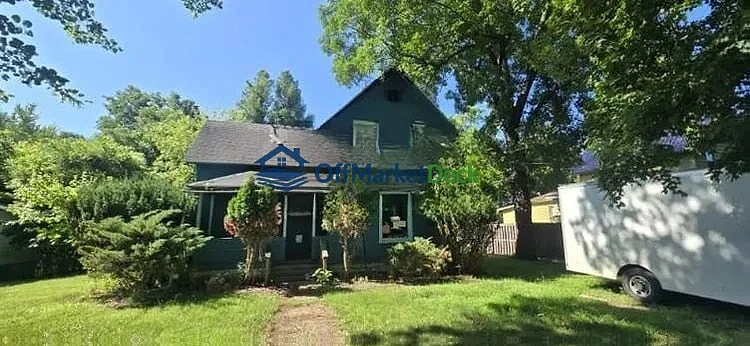
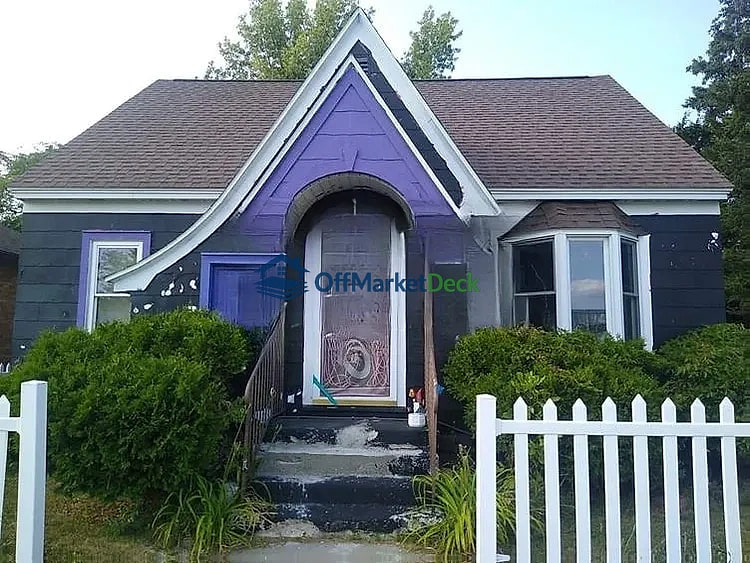
Real estate wholesaling is the practice of putting a property under contract at a price that leaves room for an end buyer's profit, then assigning that contract (or double closing) for a fee. The wholesaler never takes title and profits from the spread between contract price and buyer price. It is a lead-generation and relationship business requiring compliance, comp discipline, and a real buyer list.
Wholesaling real estate for beginners usually means you put a property under contract at a price and terms that still work for a cash (or hard-money) end buyer after their costs and required profit. You then either assign your interest in the contract (an assignment) or close and resell in two steps where law, title, and your capital allow. It is a lead-generation and relationship business with real compliance edges: you market what you are allowed to market, and you only promise what the contract and facts support.
Below: what week-to-week work looks like, a seven-step lead-to-assignment workflow, where beginners get into trouble, and only after that how a public deal feed can speed triage in markets you are actually willing to comp.
Key takeaway
Wholesaling is not passive income. It requires consistent lead generation, comp discipline, a real buyer list, and clean compliance. Your cash buyer is the customer — if they cannot profit at your contract price, you do not get paid.
What a beginner does week to week (high level)
- Build a buy box you can defend. A few cities and price bands, not "anywhere, USA." Geography examples you can underwrite: Florida, Texas or Houston if those sit in your radius and comp access.
- Source signed opportunities. Inbound, referrals, and parallel channels (including a browse layer — see below) so you are not a one-channel gambler.
- Run numbers a buyer can repeat. Use ARV and a 70% rule (or stricter) as a fast screen, then get bids and comp photos on anything that survives.
- Maintain a real buyer list — people who have actually closed with you or shown proof of funds, not scraped emails.
- Disclose, document, and close clean. A blown reputation lasts longer than one assignment fee.
Beginner workflow: seven steps from lead to assignment
- Source the lead — call-in, text, mail return, agent, or public list. Log the date and channel.
- Qualify fast — address, access, rough condition, and seller story. "Cheap" is not enough.
- ARV and repairs — sketch conservative ARV, rough rehab bands, and your max contract envelope. Read how to find off market properties for sourcing context.
- Get the contract — price and terms your end buyer can actually perform on; include inspection/title outs your attorney approves.
- Shop the contract to a short list of real buyers, not the whole internet, with the numbers they need — not a hype blast.
- Assign or double close per your counsel's advice for your state and the deal shape.
- Post-close file — what you quoted vs. what happened; buyers who performed. That is how the next deal gets easier.
What a week often looks like (realistic)
Monday: refresh your shortlist on browse and wholesale strategy in one or two cities (for example Miami or Houston if those are your boxes). Tuesday: two seller follow-ups and one repair walk or photo pass. Wednesday: send one real package to your best cash buyer with ARV, repair band, and contract summary — not a blast. Thursday: paperwork and title questions. Friday: review what died and why. No week is glamorous; the ones that work are repeatable.
Where beginners get into trouble (concrete)
- Marketing the property instead of the contract without the right to do so, or exaggerating "ARV" to strangers on social — fast path to legal and reputation damage.
- Low or no earnest money on paper-thin "locks," then re-trading the seller at the end — you burn the seller and the title shop.
- No real buyer in mind — you are not a wholesaler, you are a speculator on someone else's house.
- Confusing a seller's "yes on the phone" with a signed deal. Until it is written and deliverable, you have nothing to assign.
- Ignoring that your cash buyer is the customer of the number. If they cannot resell or operate at your contract price, you do not get paid.
When OffMarket Deck makes sense in that workflow
When you already have buy boxes and counsel in place, a public wholesale-filtered list on /deals is a timestamped way to see what is in market in those boxes — not a replacement for your contract forms or compliance review. Use OffMarket Deck to shortlist rows you will still underwrite offline; use your buyers to prove the number before you take space in the community's DMs.
FAQ
Do I need a license to wholesale?
Rules vary. If you are "marketing property" in exchange for a fee, some states expect brokerage alignment. This article is not legal advice — get local counsel for your productized marketing plan.